
The Numbers
Understanding The Scale
Important note: These crimes are severely underreported. The true scale is significantly higher than the numbers below.
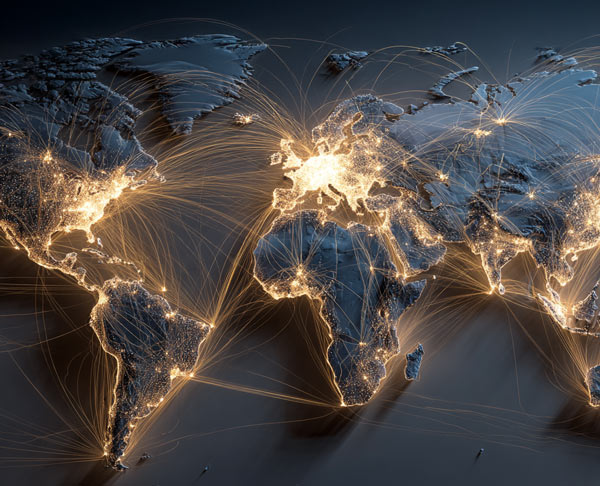
Global Human Trafficking Trends
Global Human UNODC Global Report on Trafficking in Persons 2024
- Detected trafficking victims increased 25% globally in 2022 compared to pre-pandemic levels (2019).
- Child victims rose 31%, now accounting for 38% of all detected victims worldwide.
- Forced labor (42%) has surpassed sexual exploitation (36%) as the most detected form of trafficking globally — though sexual exploitation remains the dominant form for women and girls (60% of detected girl victims).
- Detected victims of forced labor surged 47% between 2019 and 2022.
- Organized criminal networks are involved in 74% of detected trafficking cases.
- Women and girls account for 61% of all detected victims worldwide.
- The US state department estimates 500,000 to 700,000 women are trafficked every year. More than half are children. Less than 1% are ever recovered.
Missing Children & Sex Trafficking (United States)
National Center for Missing & Exploited Children (NCMEC), 2025 data
- NCMEC assisted with 32,167 reports of missing children in 2025.
- 1 in 7 of those children reported missing were likely victims of child sex trafficking.
- The overall recovery rate for missing children reported to NCMEC in 2024 was 91%.
- Online platforms submitted 105,877 CyberTipline reports related to child sex trafficking in 2025 — a 1,100%+ increase from 2023, driven largely by the REPORT Act expanding mandatory reporting.
Rape & Sexual Violence (United States)
CDC National Intimate Partner and Sexual Violence Survey (NISVS), 2023/2024 data
- More than 1 in 5 women and 1 in 31 men have experienced completed or attempted rape in their lifetimes.
- Nearly half of women and more than 1 in 6 men have experienced some form of contact sexual violence in their lifetimes.
- 1 in 26 men have been made to penetrate someone in their lifetime.
- More than 4 in 5 female rape survivors were first raped before age 25; nearly half were first raped as a minor.
- Underreporting is particularly high among male victims due to stigma.
Adult Sex Trafficking
Sexual exploitation continues to account for the majority of detected female trafficking victims globally, with women and girls comprising the vast majority of victims in commercial sexual exploitation (UNODC 2024).

Modern Slavery in the Gulf — Domestic Workers Sold via Apps
BBC News Arabic investigation (2019); Human Rights Watch; U.S. State Department TIP Reports 2024–2025
A 2019 undercover investigation by BBC News Arabic exposed an online black market in which migrant domestic workers — mostly women from Africa, South Asia, and Southeast Asia — are illegally bought and resold like property in Kuwait and Saudi Arabia through smartphone apps. The two primary platforms identified were 4Sale (Kuwait’s largest commodity app) and Haraj (a Saudi-based commodity app), alongside Instagram. Listings filtered women by race and price; investigators were offered a 16-year-old Guinean girl in violation of Kuwaiti law. The UN Special Rapporteur on Contemporary Forms of Slavery called it “the quintessential example of modern slavery.”
This abuse is enabled by the Kafala (sponsorship) system, still used across most Gulf states, which legally ties a migrant worker’s immigration status to a single employer — making it nearly impossible for workers to leave abusive situations without their employer’s permission.
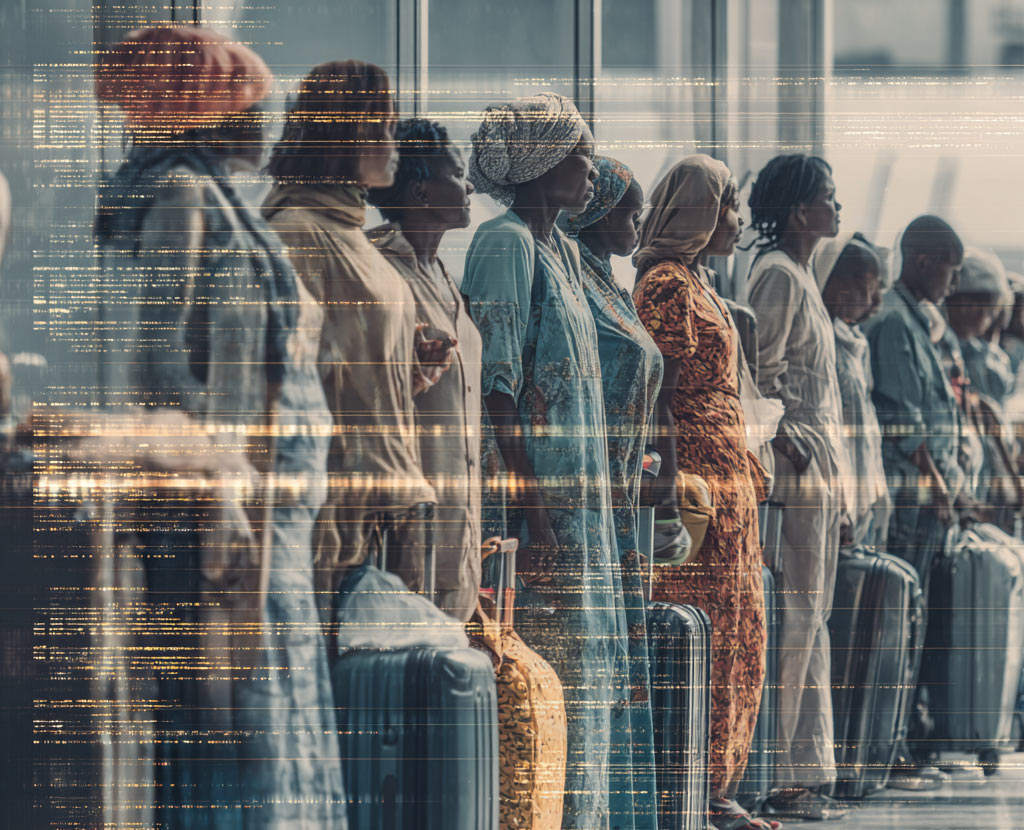
Saudi Arabia and Kuwait remain on the U.S. State Department’s Tier 2 Watch List for trafficking; Kuwait alone has roughly 700,000 domestic workers — one for every two citizens.
Iraq’s Hidden Sex Trade — The Abuse of “Pleasure Marriage”
BBC News Arabic / PBS FRONTLINE: “Iraq’s Secret Sex Trade” (2019)
In a 2019 undercover investigation by reporter Nawal Al-Maghafi, BBC News Arabic and PBS FRONTLINE documented a network of clerics in Iraq — including in the holy city of Karbala and Baghdad’s Sadr City — who exploit a Shia religious practice known as mut’ah (also called sigheh or “pleasure marriage”) to operate as pimps. Mut’ah is a temporary marriage contract that, in legitimate practice, requires consent and adherence to strict religious requirements between adults. What the investigation exposed was systematic abuse of this practice as a religious cover for prostitution and child sexual exploitation — including secretly filmed footage of a cleric performing a “pleasure marriage” with a 13-year-old girl, and another stating mut’ah with girls “nine years old plus, there’s no problem.”
The victims are most often war widows and divorced women who, due to the destabilization following the 2003 invasion and the stigma faced by divorcees and widows in some communities, are rejected by their families and left destitute. Clerics-turned-pimps recruit them under religious cover, presenting prostitution as religiously sanctioned. Yanar Mohammed, who runs a network of women’s shelters across Iraq, called the practice “opening a shop for pedophiles.”
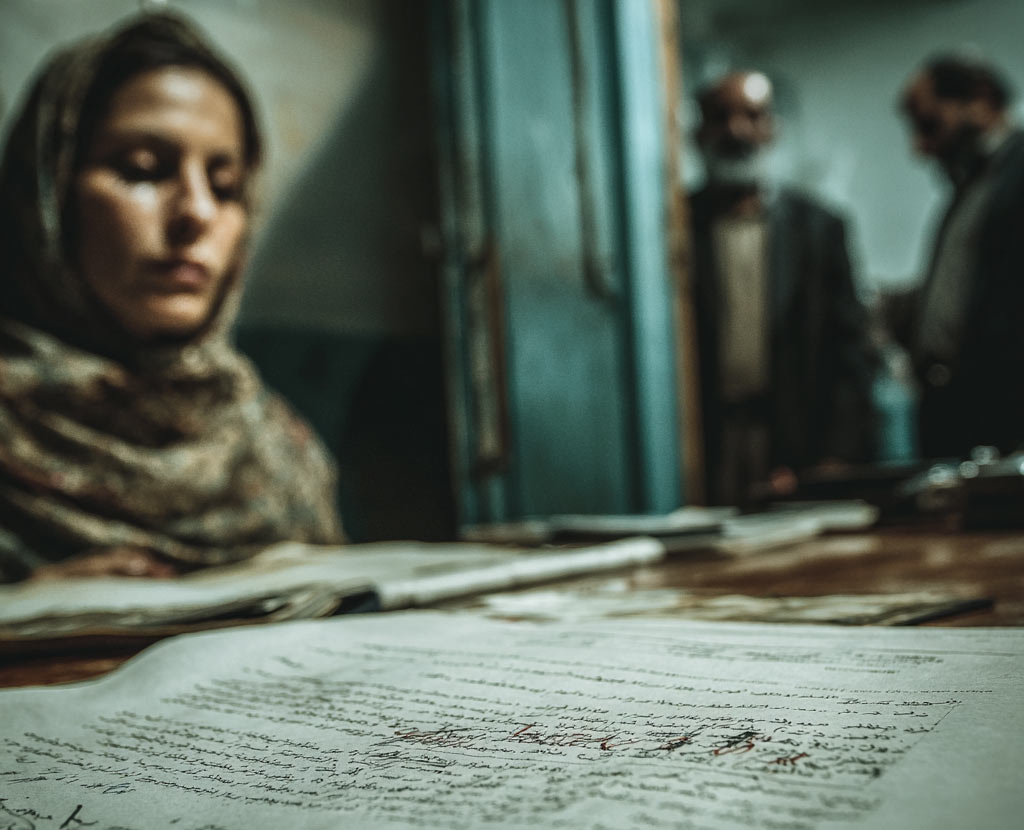
Important framing: This is an abuse of religious practice by specific clerics — not a feature of Islam. Mainstream Shia jurisprudence and Muslim organizations have publicly condemned what these men are doing. The abuse is enabled by economic desperation, social stigma against divorced women, and the absence of effective enforcement.
LGBTQ+ Youth — A population at Severe Risk
Covenant House; The Trevor Project; Polaris Project; National Network for Youth
LGBTQ+ youth — especially homeless LGBTQ+ youth — are among the most severely targeted populations for sex trafficking, sexual violence, and exploitation in the United States. They are also one of the most underserved.
- LGBTQ+ youth make up roughly 7% of the U.S. youth population, but 40% of all youth experiencing homelessness — nearly a sixfold overrepresentation.
- 46% of homeless LGBTQ+ youth left home due to family rejection of their sexual orientation or gender identity.
- LGBTQ+ youth are 7.4 times more likely to experience sexual violence than heterosexual peers.
- They are up to 7 times more likely to engage in survival sex (trading sex for shelter, food, or safety).
- 1 in 3 homeless youth are approached by a trafficker within 48 hours of leaving home (National District Attorneys Association).
- Black and Hispanic LGBTQ+ youth experience homelessness at roughly twice the rate of white LGBTQ+ youth.
- Transgender and gender-diverse youth face the highest risk in this group, often turned away from gender-segregated shelters or unsafe in them.
- LGBTQ+ youth are overrepresented in the juvenile justice system by nearly 3 times (~20% of that population).
Children in War Zones & Disasters
Ukraine
The Ukrainian government and Yale Humanitarian Research Lab have documented over 19,500–20,000 children forcibly deported or transferred since Russia’s full-scale invasion in February 2022. The UN Independent International Commission of Inquiry on Ukraine (March 2026) has independently verified 1,205 cases to a high evidentiary standard and concluded the deportations and forcible transfers constitute crimes against humanity. Independent estimates of the true scale range as high as 300,000.
Syria
Thousands of children remain missing or disappeared due to prolonged conflict, with many abducted, conscripted, or separated from families (UN and Global Rights Compliance reports).
Global Conflicts
In 2024, an estimated 520 million children — more than 1 in 5 children worldwide — lived in active conflict zones, the highest number ever recorded (Save the Children / PRIO, Stop the War on Children 2025 report). The UN verified 41,763 grave violations against children in 2024, a 30% increase from 2023.
Disasters
Claims of “2,000 children missing” after the 2023 Maui wildfires in Hawaii were false. Official Maui Police Department and FBI lists ultimately reported only one minor as unaccounted for (later confirmed deceased in the fire), with approximately 31 individuals total on the final unaccounted list. The “2,000” figure stemmed from a misreading of school re-enrollment data.
Other Severely Targeted Populations
These populations face systemic, severe trafficking and exploitation that is often missing from mainstream statistics:
- Indigenous women and girls (MMIW/MMIWG, U.S. and Canada): Murder rates up to 10 times the national average; vastly overrepresented among trafficking victims and missing-persons cases. Recognized as a crisis by the U.S. Department of Justice and Canada’s National Inquiry.
- Yazidi women and girls (Iraq/Syria): ISIS systematically enslaved an estimated 6,000+ Yazidi women and girls beginning in August 2014; thousands remain missing. Formally recognized by the UN as genocide.
- North Korean women trafficked into China: Tens of thousands estimated to be trafficked into forced marriages, online sex exploitation, and brothels. Documented by the U.S. State Department and multiple human rights bodies.
- Rohingya women and children: Displaced from Myanmar into Bangladesh refugee camps where trafficking networks exploit them across South and Southeast Asia.
- Southeast Asian “scam compound” trafficking victims: Hundreds of thousands lured with fake job offers, then trapped in compounds in Cambodia, Myanmar, and Laos and forced to run online romance and crypto scams. Extensively documented by UNODC in 2024.
A Note on Organ Harvesting
No credible official source — UNODC, WHO, Interpol, or major governments — states that missing children are commonly first sex-trafficked and then used for organ harvesting. UNODC recognizes trafficking for organ removal as a real but rare form of trafficking, not documented as a common outcome of sex trafficking of missing children.
How to Report a Listing or a Victim
If you spot a listing or know of a worker being sold or held, report through any of the following:
- National Human Trafficking Hotline (US, accepts international tips): Call 1-888-373-7888, text HELP to 233733, or chat at humantraffickinghotline.org
- Migrant-Rights.org (leading watchdog for Gulf migrant worker abuse): migrant-rights.org
- Anti-Slavery International: antislavery.org
- Polaris Project (anti-trafficking research and advocacy): polarisproject.org
- UN Special Rapporteur on Contemporary Forms of Slavery (confidential complaints via OHCHR): ohchr.org
- International Labour Organization (ILO) forced labor complaint mechanism: ilo.org
- Saudi Arabia’s Musaned (official labor-import system, accepts complaints): musaned.com.sa
- App platform reporting: flag illegal listings directly through Apple App Store, Google Play Store, and Meta (Instagram/Facebook) in-app reporting tools.
- Workers’ home country embassies (Philippines, Indonesia, Kenya, Uganda, Sri Lanka, Bangladesh, Nepal, Ethiopia, etc.) — most maintain dedicated migrant worker hotlines and shelters in Kuwait and Saudi Arabia
Sources (Primary & Official)
- UNODC Global Report on Trafficking in Persons 2024
- National Center for Missing & Exploited Children (NCMEC) — 2025 data
- Centers for Disease Control and Prevention (CDC) — NISVS 2023/2024
- UN Independent International Commission of Inquiry on Ukraine (March 2026)
- Yale Humanitarian Research Lab; UNICEF; Ukrainian government
- Save the Children / PRIO — Stop the War on Children 2025
- Maui Police Department & FBI; Hawaii Department of Education
- BBC News Arabic / PBS FRONTLINE: “Slavery: Silicon Valley’s Online Slave Market” (2019); “Iraq’s Secret Sex Trade” (2019)
- Human Rights Watch; U.S. State Department Trafficking in Persons (TIP) Reports 2024 & 2025
- Covenant House; The Trevor Project; Polaris Project; National Network for Youth